I am still thinking of yesterday’s reading.
“Master, do you not care? We are going down.” (Mark 4:35-41)
How can we develop this element of insouciance?
I am still thinking of yesterday’s reading.
“Master, do you not care? We are going down.” (Mark 4:35-41)
How can we develop this element of insouciance?
When out sailing alone I have often been frightened by waves that were really not that difficult. Perhaps I should have remembered today’s reading more.
“Why are you so frightened? How is it that you have no faith?” (Mark 4:35-41)
When somebody recounts at great length all their woes, we try to listen and be helpful. But sooner or later we lose patience. I was thinking during such a conversation, if there is a God, how could he possibly listen patiently to all the woes addressed to him? If there are seven billion people on this planet, with a large proportion complaining to Him and asking for His intercession and if there are probably countless other billions of planets in the universe with intelligent life, how does He cope?
As I lay there dozing, thinking of this and coming to the conclusion that this surely proves that God cannot exist, a penetrating thought, a belief, an argument, came to mind that established that God could indeed listen to and act on all these simultaneous billions of prayers. Then I fell asleep and next morning could not remember the brilliant argument – frustrating!
There was a rare debate in the House of Commons on defence. I feel so strongly about our weakness in a dangerous world after abandoning for ten years our aircraft carriers that I got up at 5:00am and hurried back from Strasbourg. You always wonder if speaker after speaker warning of the dangers of a particular situation ever make any difference in the House of Commons, but it is all we can do. Before I sat down, I quoted Winston Churchill’s description of his sleepless night following the resignation of Eden which I quoted earlier. I am not sure if his doom-laden prophecy went down any better now than it did then.

We are debating “living wills” in the Council of Europe. I said they were a first step in a long campaign to legalise euthanasia. In the Council of Europe, unlike Westminster, pro-lifers can still win votes. So we inserted a strong amendment saying that whatever the future of living wills, euthanasia and ‘assisted dying’ or ‘encouraged exit’ as I call it should continue to be banned. We will never give up arguing that however old, “useless”, or crippled you are, you have as much right to full medical help as the rest of us.

I was walking around Strasbourg Cathedral, its great bells peeling out. It rises up around the buildings, soaring, dominating the street leading to it. What an extraordinary sight. On this day though I always think of St Francis de Sales climbing the mountains of the Haute Savoie and of my own long walks coming down the fields around the small churches like Ormaret, sometimes tiny, which perhaps Francis visited on his missions.
Sometimes the priest says something in confession that really helps. I was complaining about my impatience with others. He said that often those who are most impatient with others are most impatient with themselves. I was going to ask him how one deals with jealousy as well but by that time he had already started on his absolution so that will have to wait.
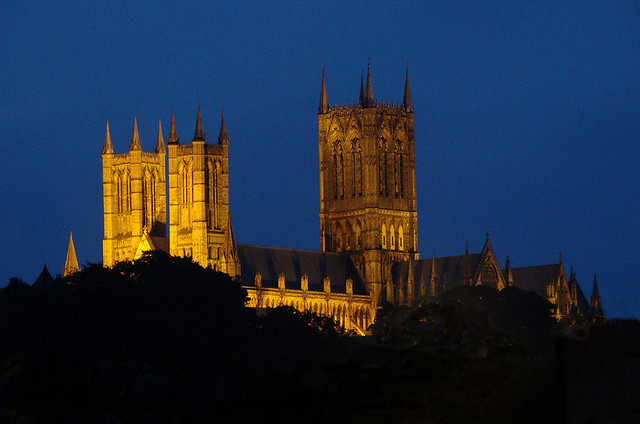
I was walking around Lincoln Cathedral at night and was struck anew by the extraordinary richness and detail of the stonework. The intricacy is extraordinary.
I had not realised until I watched a programme about the life of Pugin how he spent many hours as a young man being inspired by the gothic beauty of this place. As I stood for a moment amazed by the buttresses flying up around the chapter house, I could not doubt that the soaring faith of the men who built this could not be in vain.
Dear Gabriel,
The story of Jonah has much to tell us about jealousy and resentment. Jonah first doesn’t like the Ninevites whether they’re misbehaving or doing good and he gets his comeuppance.
How do we deal with regret? You can think of the prayer ‘Let just live one day at a time, remembering that yesterday is history, and tomorrow is another day’. A better way is to remember that we can’t remake time. We all know that time travel is impossible because we might change the past simply by visiting it. Equally if we had done one thing different in the past, it might have remade everyone’s present.
But if God exists, clearly He must be outside time, otherwise his life would be unbearably long and tedious. I don’t believe he knows the future or predetermines it. Like us, He knows only the past, otherwise He would have to predetermine countless millions of alternative futures. So the point of all this is that we have to be happy with the past as it is – our own and other peoples – and there should be no regret.
Today we were at the celebration of the restoration of St Peter’s Church at Stonyhurst. It is nearly two hundred years old, being built in 1835 shortly after the Catholic Emancipation in 1829. It could be said that it is only two hundred years old, not four hundred years old, but one can not reject it. Like everything else it is a necessary part of the past. We all are.
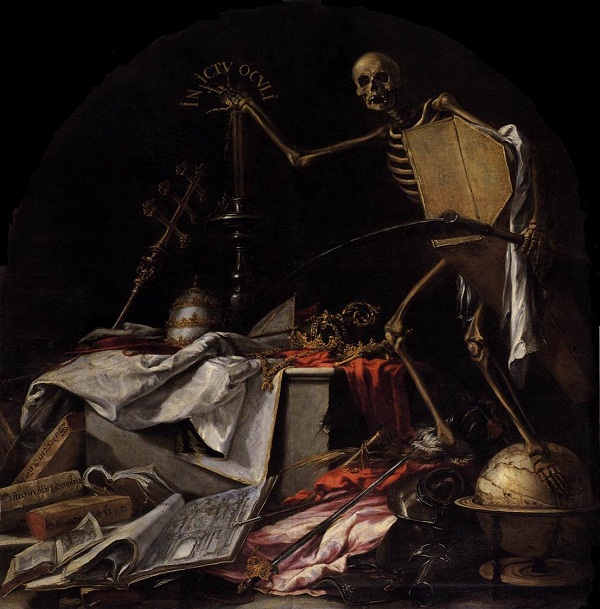
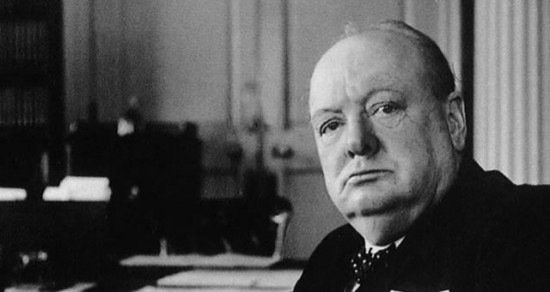
It has been inspiring to read in Martin Gilbert’s The Wilderness Years of Churchill’s lone crusade to warn his countrymen of the dangers of their policy of dust with regard to rearmament. I was struck by this moving passage on the resignation of Antony Eden from the government:
From midnight to dawn, I lay on my bed, consumed by emotions of sorrow and fear. There seemed one strong young figure standing up against long, dismal, drawling tides of drift and surrender, of wrong measurements and feeble impulses. Now he was gone. I watched the daylight slowly creep in through the windows and saw before me in mental gaze the vision of Death.
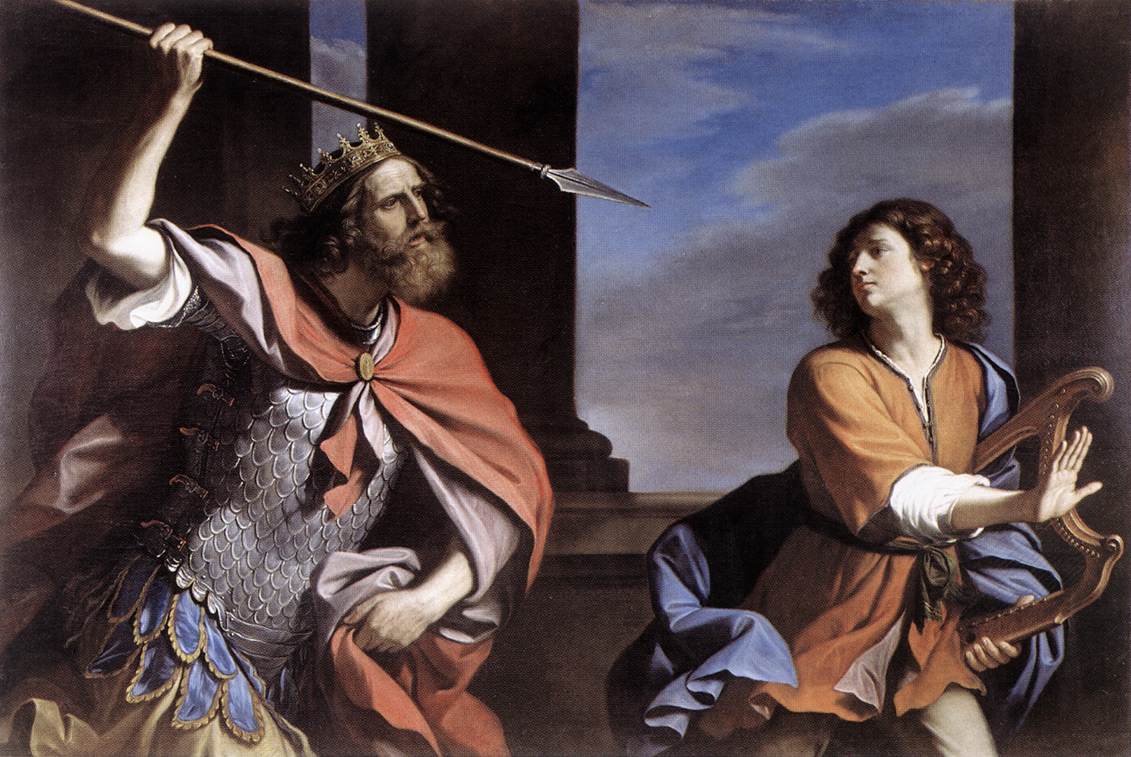
Saul publicly got even more jealous when David crept up on him while he was sleeping in the cave. David could have killed Saul but he only cut off the hem of his cape. Did he really believe his own words: ‘You are a more upright man than I,’ he said to David, ‘for you have repaid me with good while I have repaid you with evil.’
I went to see ‘Three Days in May’ at the theatre about the crucial days in May 1940 when Halifax wanted to start negotiations for peace. But what is remarkable about Churchill is his extraordinary forgiveness to the men of Munich – the Chamberlains and Halifaxs and Hoares who had been ignoring and bad-mouthing him for years.
There was a debate on ‘assisted dying’ in Westminster Hall. I was only allowed a couple of minutes to speak at the very end. Appropriate, perhaps. What do you say about dying in two minutes? But then we have a lifetime to prepare and only a short time to do it.
We believe that the body is simply the mirror of the soul, and however old, crippled or useless someone might seem to society—our society seems to be dominated by the worship of youth and beauty—they are of immense value to society and should be sustained by society to the very end of their lives.
I said that ‘assisted dying’ could too soon become ‘encouraged exit’ and that we valued old and ill people precisely because of that; because the body was the mirror of the soul and therefore of value whatever its state.
‘They have given David the tens of thousands,’ he said, ‘but we only the thousands; he has all but the kingship now.’
And Saul turned a jealous eye on David from that day forward. [1 Solomon 18:6-9; 19:1-7]
Ah, jealousy: how do we get rid of it? I do not know.
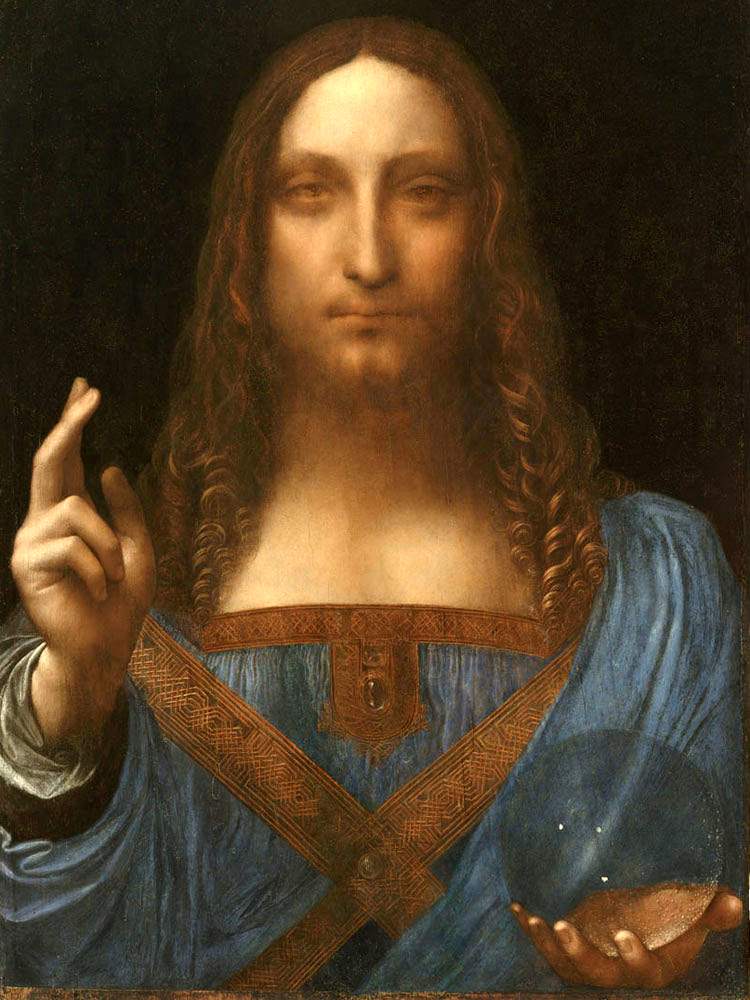
I was swept along in a big group past Leonardo’s “Salvator Mundi” – Saviour of the World – in the National Gallery exhibition. Then everyone for a short time moved on and I was left staring straight into the eyes of this extraordinary picture staring back.
Thus we are swept along in a great tide of humanity, barely pausing, remaining for an instant on His beauty and then moving on. But it is entirely impossible to pause, to stand still, and be alone with Him (certainly not in the National Gallery).
In the reading today, Jesus was asked:
‘Why is it that John’s disciples and the disciples of the Pharisees fast, but your disciples do not?’ [Mark 2:18-22]
I sometimes wonder why we place so much emphasis on fasting being good for you. We look at two people who are fat, are thin, and think that somehow this is virtuous. Is it? Perhaps fasting in the mind is more useful than fasting of the body. Keeping the mind quiet for a time from being fed on new things, new noise, new commotion.
Dear Gabriel,
We really take our features too seriously. I was sitting in the car on a long journey and felt my nose, my ear. They really are absurd things. Everyone has them. They look silly but are so necessary. Animals have them. But are they our real self or part of our real spiritual self? Obviously not the latter.
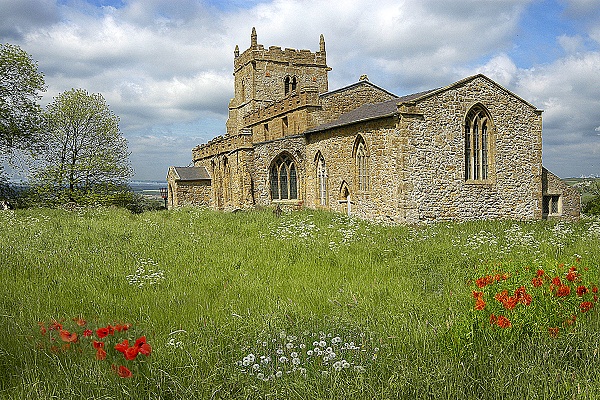
The walk was tiring me. I nearly cut a corner and turned back. But the brilliant, low-slung, white winter sun led me on, past a tiny country church. Again on returning I was tired, but turned back to read these words, or something like them, next to the door:
God be with me in my coming and going.
God be with me in my leisure and in my work.
God be with me in company and solitude.
God be with me in the hills and the valleys of life.
God be with me at my passing.
I’m glad I walked that little bit further to savour these words.

In today’s first reading, the Israelites beg Samuel for a king. He tries to resist them to no avail. Nothing changes. Why are people obsessed with the need for authority? Why are we obsessed with authority: kings, presidents, prime ministers. Samuel warns his people that they will be oppressed once they have their precious king, to no avail. Even now, newspapers are obsessed with ‘leaders’. Where is the virtue of Republican Rome before corrupted by the Caesars?
The Archbishop was taking Mass. His homily was very simple. We are back in Ordinary Time after all the excitement of the great feasts of Christmas and Epiphany. All we can do is to, day by day, try and be better people.

A friend showed me today these words from Catherine of Siena:
“The soul can only love me in truth, and in the same truth it serves its neighbour.
And it cannot be otherwise, because love of me and of one’s neighbour are one and the same thing; and, so far as the soul loves me, it loves its neighbour, because love towards one’s neighbour issues from me.
This is the means I have given you, so that you may exercise and prove your virtue; because inasmuch as you can do me no profit, you should do good to your neighbour.”
They portray sharply that we can do nothing practically useful to God save possibly our attitude to our neighbour.
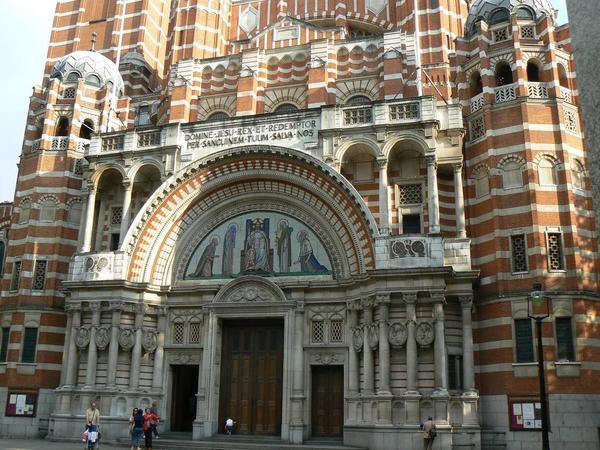
I only had time to visit the Cathedral as the door was closing. It was my briefest visit to a church, perhaps thirty seconds, but much can be packed into thirty seconds: a sight of an altar, the poetic sound of the Rosary in a side chapel. It is enough.
Why do we insulate ourselves from the grandeur of nature about us?
If you sail into Chichester Harbour at sunset around 5.00pm on a winter’s January day, you are alone in a watery wilderness, greeted by hundreds of birds rising from and resting in the water. The light is a steely grey, flecked with orange.
Lights come on, orange in distant houses, but how in southern England with hundreds of thousands of people within a few miles, you are alone.
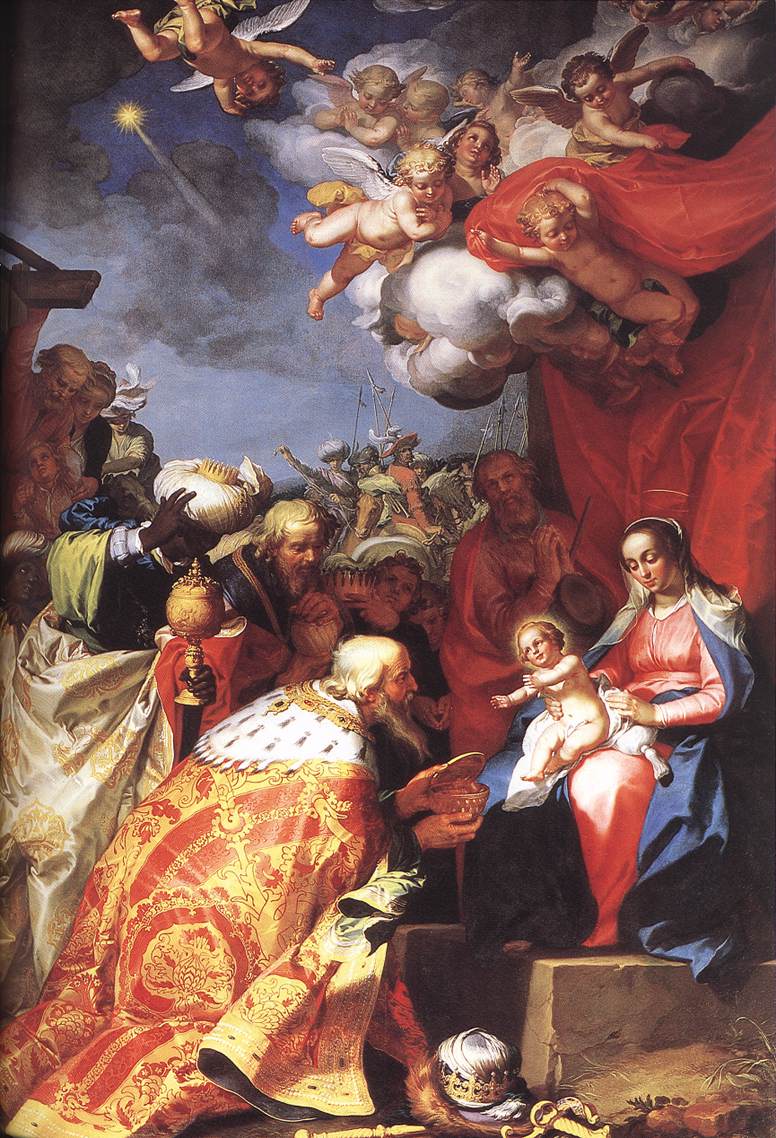
I heard three Epiphany sermons this weekend but the best equated us with the seeking wise men. The shepherds rushed in with joyous delight. The ‘wise’ men, like us, take years wandering on the road: wandering, seeking, when the truth is and always has been straight there, in front of us.
Dear Gabriel,
It is perhaps possible to dwell upon these words again: “A man with many possessions has many needs”. But to view it not just in terms of material possessions but personal emotional possession. We cling to our emotional pride and threats or assaults in even a small degree make us unhappy. The more we possess appreciation, the more we need it. So does our success in fact make us any happier or just more demanding?
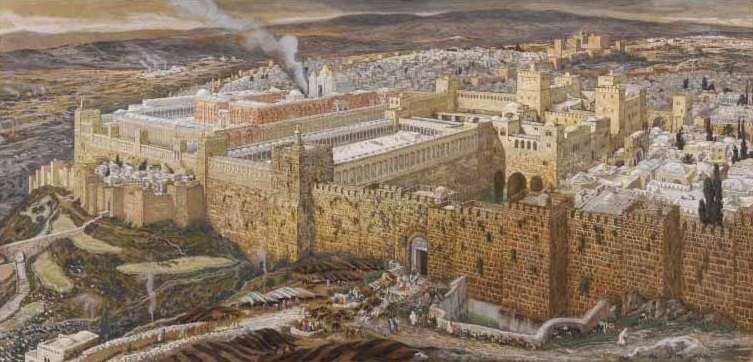
The first line of the first reading from Isaiah 60:1-6 is so instructive for one reading the bloody history of Jerusalem.
“Arise, shine out, Jerusalem, for your light has come.”
The priest at Mass today said “A man with many possessions has many needs.” I was rereading Thomas Merton’s Elected Silence. This passage grabbed my attention in his chapter The Harrowing of Hell, when he is torn by doubts:
“I was in my room. It was night. The light was on. Suddenly it seemed to me that Father, who had been dead for more than a year, was with me. The sense of his presence was as vivid and real and as startling as if he had touched my arm or spoken to me.”
I certainly get these fleeting intense impressions of a loved one. For years you can forget almost the pictures of a dead mother or brother and suddenly they are there, absolutely clear cut and familiar in their features. By what power of some hidden recess of the mind are they conjured up or perhaps they are there? But often their “presence” here is a profound feeling or thought.
Merton continues:
“The whole thing passed in a flash, but in that flash, instantly, I was overwhelmed with a sudden insight into the misery of my own soul. … And how I think for the first time in my whole life I really began to pray.”

I was in the Abbey in the same place I had been some weeks before. And once again I lit a candle before the wonderful statue of Christ in the dark church. I have been reading Simon Sebag Montefiore’s Jerusalem: the Biography. It is vaguely depressing to see the life of Christ dissected by an academic author, reduced to footnotes. Did He have brothers and sisters? Did Mary re-marry? In fact, the attraction of Christ is a supernatural quality that cannot be grasped.
That night, re-reading my notes, I saw that in front of this same image I had been gripped by both a spiritual sense and a rational one that this was not just illusion – a mere wooden statue. This time as the candle flickered in the gloom. I felt no conflicting emotions at all, only a sense, however temporary, of acceptance.