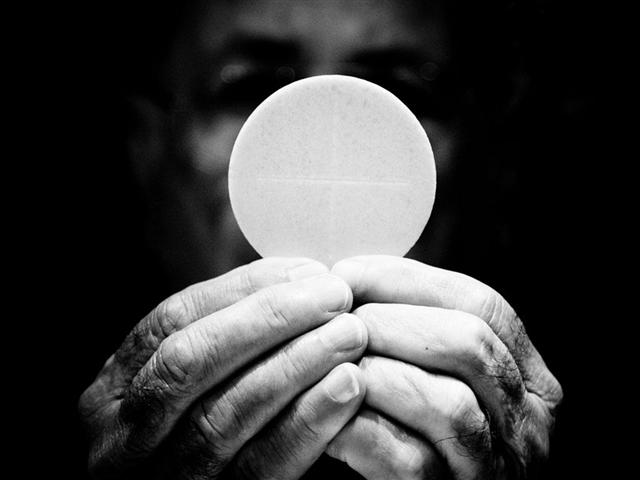
The other day, I was going to communion and just before taking it I had a prick of conscience that I should go to confession. Luckily, the time for confession was now over, but the thought remained.
I therefore arrived in what I thought was good time for confession at the Cathedral. I never know what to say at confession and I am normally in and out in three or four minutes.
The person before took thirty minutes! What could she have to say? Was she a mass murderer?
She came out with no word of apology to the four or five of us still waiting, and then came the priest, without a word, downed tools and walked off.
I finally got to confession and the first thing I had to confess was my profound irritation at the lack of consideration shown to the confessors the night before.
I’m like that – I get irritated by other irritating people. Not a saint, I fear.



 I went to the civic service in Keelby Parish Church. I always like these events with the assembled mayors – the “chain gang”. Today’s service clashed with the England / Germany World Cup Match, but a few brave souls still turned up.